A few years ago, senior BJP leader Rajnath Singh famously remarked, “This is not a UPA government; this is an NDA government. Our ministers do not have to resign.” He was responding to Opposition demands for the resignation of ministers facing controversies.
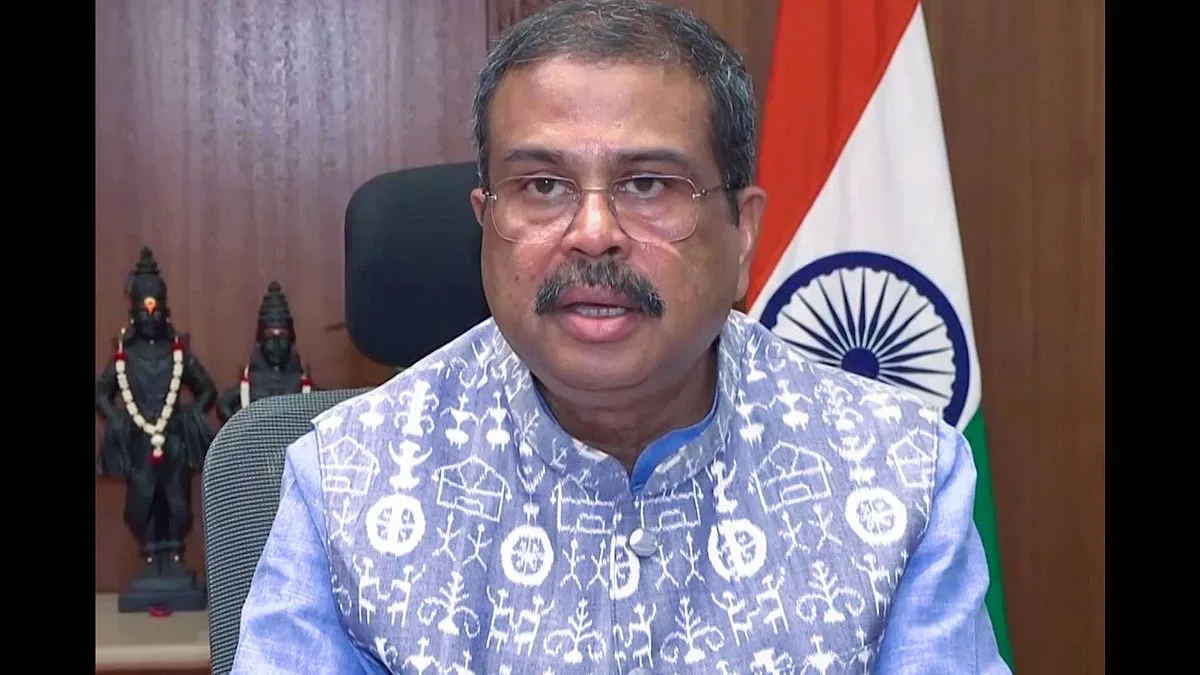
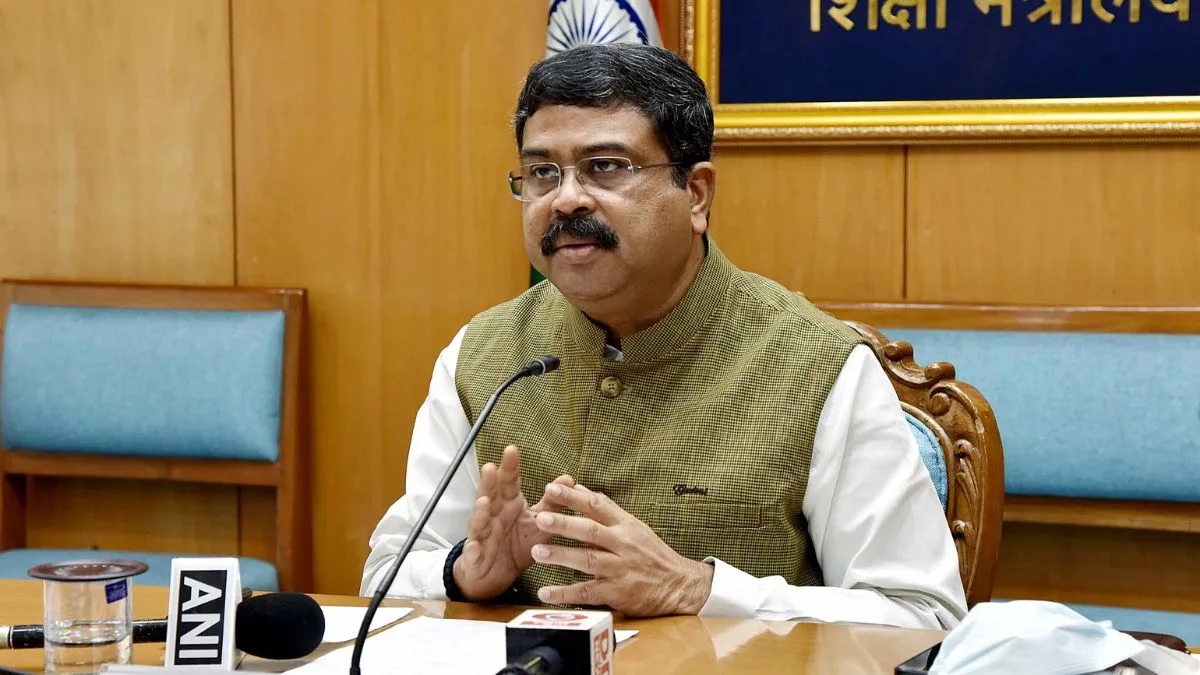
That remark appeared to come full circle on Saturday when Union Education Minister Dharmendra Pradhan resigned from the Union Cabinet amid sustained public protests over alleged examination irregularities, including the NEET paper leak.
Advertisement
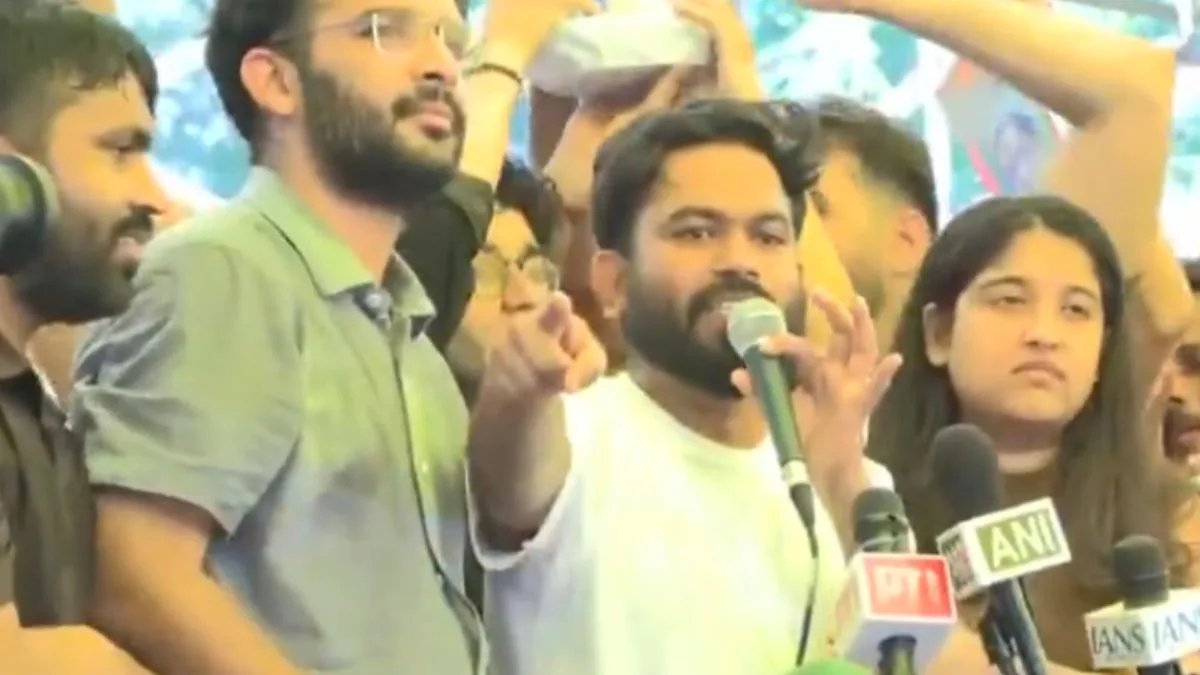
Following Pradhan’s resignation, Cockroach Janta Party (CJP) founder Abhijeet Dipke addressed supporters at Delhi’s Jantar Mantar, declaring: “We have done it. Kaha jata tha is sarkar mein istife nahi hote. Jhukti hai duniya, jhukane wala chahiye (It used to be said that ministers do not resign under this government. The world bows; all it takes is someone who can make it bow).”
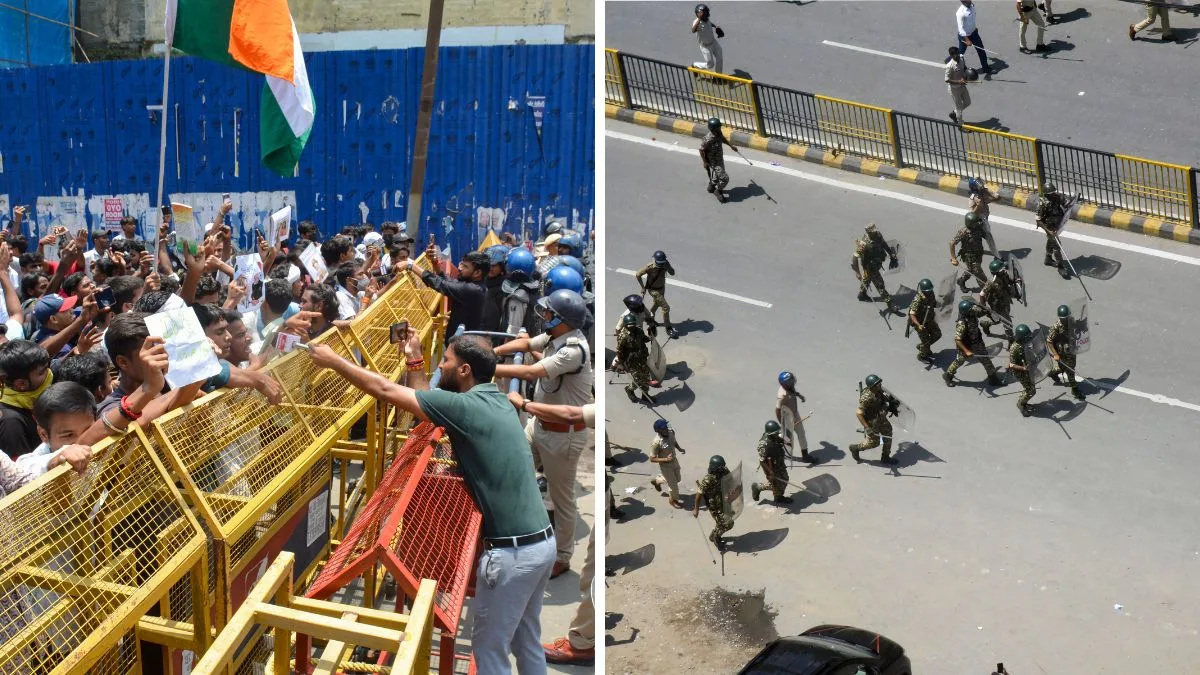
Pradhan’s resignation, which came during the crucial Monsoon Session of Parliament, marked a significant political development. The government is also believed to have been concerned that the Gen Z-led protests could escalate further, particularly as CJP protesters had made the minister’s resignation their principal demand.
Parliament has witnessed repeated disruptions over the Opposition’s demand for Pradhan’s resignation, while the CJP-led protest at Jantar Mantar kept the issue in the public spotlight.
The resignation is expected to trigger further political developments, including the possibility of a reshuffle of the Prime Minister’s Council of Ministers and the appointment of a new Union Education Minister.
Shiv Sena (UBT) MP Sanjay Raut has claimed that Maharashtra Chief Minister Devendra Fadnavis could be a potential successor to Pradhan. However, there has been no official indication from the BJP or the government regarding a replacement.
Resignations have been relatively uncommon during Prime Minister Narendra Modi’s tenure, making Pradhan’s exit politically significant. It is one of the rare instances in which a Cabinet minister has stepped down following sustained public and political pressure.
Technically, however, it is not the first resignation by a Union minister during the Modi era. Former Minister of State M.J. Akbar resigned in 2018 after allegations of sexual misconduct were made against him.
Pradhan’s resignation fulfils the protesters’ principal demand and could help ease the political impasse that has dominated the Monsoon Session, which began on July 20. Whether the Opposition moderates its strategy or continues to press the government on the examination controversy and other issues remains to be seen.
Political observers view the resignation as an indication that the Narendra Modi government ultimately decided to make a significant political concession in an attempt to defuse one of the most extensive student-led protest movements in recent years.
The timing of the resignation also suggests a calculated effort to contain the political fallout from the NEET controversy. By accepting the protesters’ central demand, the Centre appears to be seeking to blunt Opposition attacks and reduce disruptions in Parliament.
At the same time, the decision signals the government’s willingness to absorb political costs in the face of sustained public pressure. Whether the move succeeds in calming the protests, restoring confidence in the examination system and reshaping the political narrative will become clearer in the days ahead.